Understanding the Impact of Dice Degradation Mechanics in Survival Games
22 November 2026 | 3
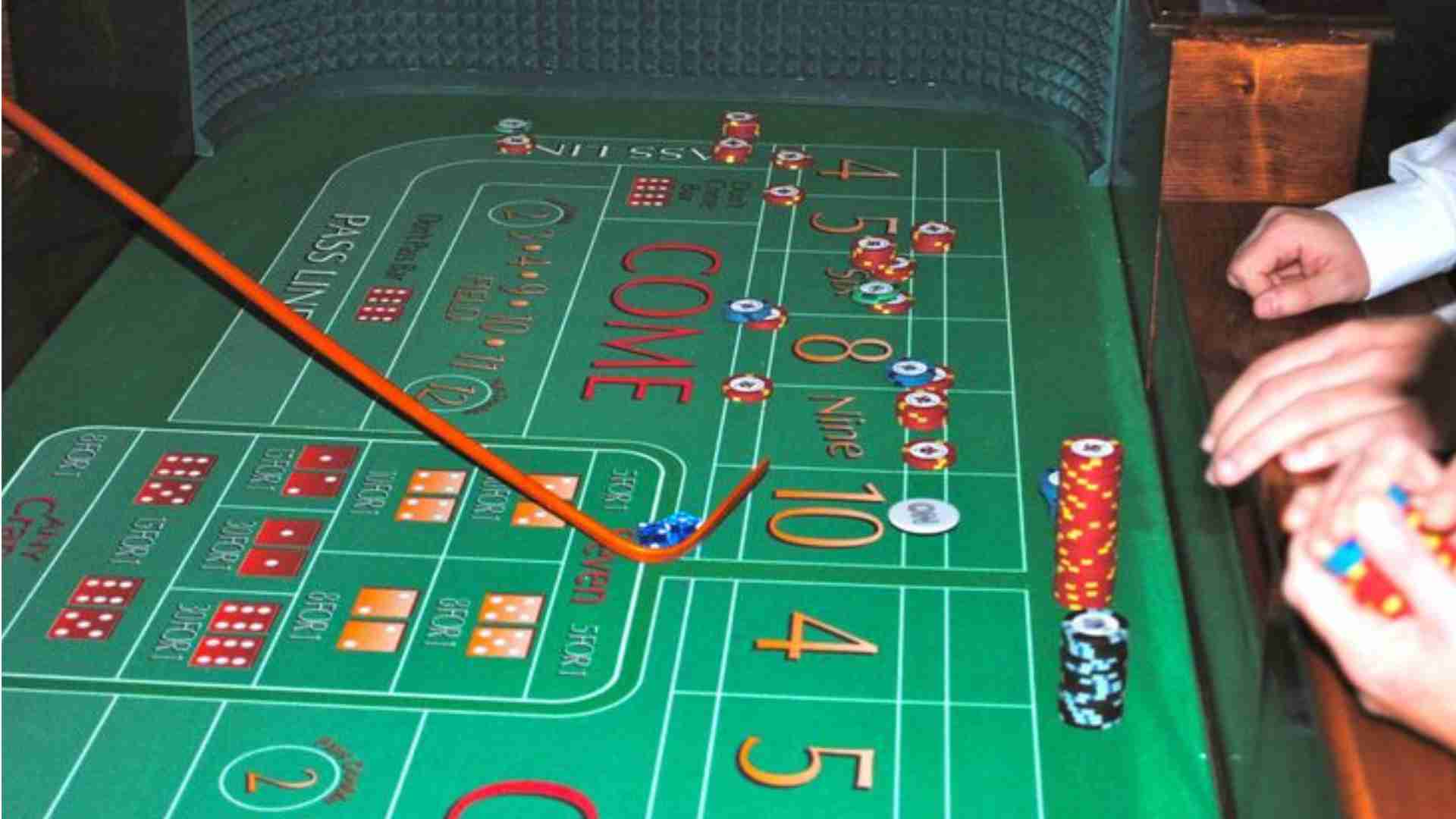
In modern survival games, developers constantly look for innovative ways to simulate environmental wear and resource scarcity. Dice degradation mechanics have emerged as a unique tabletop and digital design choice, forcing players to manage physical tools that wear down over time. By combining random outcomes with wear-and-tear systems, these mechanics transform simple dice rolls into stressful survival choices.
The Function of Wear in Dice Mechanics
Dice degradation forces players to track the condition of their dice alongside traditional survival statistics like hunger or stamina. As dice are repeatedly rolled to resolve combat, foraging, or crafting tasks, their faces may chip, crack, or lose valuable numerical modifiers. This system ensures that even a powerful die becomes a liability if not properly maintained during long journeys.
Understanding how wear impacts probability is crucial for players hoping to survive tough campaigns. When a high-value face degrades into a blank side or a negative outcome, the risk calculation for every subsequent action shifts dramatically. Managing maintenance costs becomes just as vital as managing basic health supplies.
Strategic Resource Allocation Under Pressure
Integrating wear mechanics forces gamers to decide when a task is worth the physical toll on their components. Spending a pristine die on a low-reward action might leave a player defenseless when facing a severe environmental crisis later. Strategic thinkers often reserve their highest-grade dice for life-or-death scenarios to minimize unnecessary wear.
Many tabletop design frameworks and gaming strategy resources, such as insights shared on m88 capital, emphasize the balance between short-term risks and long-term asset preservation. Players who over-rely on a single set of dice without diversifying their inventory quickly find themselves out of options. Balancing repair materials against immediate survival needs creates constant thematic tension.
Enhancing Immersion and Narrative Tension
Degradation systems excel at telling stories through mechanical failure rather than scripted plot points. When a vital die breaks during a crucial combat encounter, it creates an unforgettable moment of emergent gameplay. Players must immediately adapt to the sudden loss, shifting from offensive tactics to desperate escape plans.
This organic tension grounds the game world in tangible physical realities that traditional health bars often fail to replicate. Knowing that your primary tools are slowly eroding adds a constant layer of psychological pressure. It reinforces the harsh nature of survival environments where nothing lasts forever.
Designing Balanced Degradation Systems
For game designers, balancing dice wear requires ensuring the system feels challenging rather than punishingly unfair. If dice degrade too quickly, players feel robbed of agency and unable to make meaningful strategic plans. Conversely, if maintenance is too easy, the mechanic loses its tension and becomes mere bookkeeping.
The most successful implementations offer multiple pathways to repair, upgrade, or repurpose damaged dice. Providing choices between restoring an old die or crafting a crude temporary replacement keeps decision-making dynamic. When tuned correctly, dice degradation transforms abstract chance into a compelling survival hurdle.